

All blog posts
Explore the world of design and learn how to create visually stunning artwork.



Introduction to Tigers
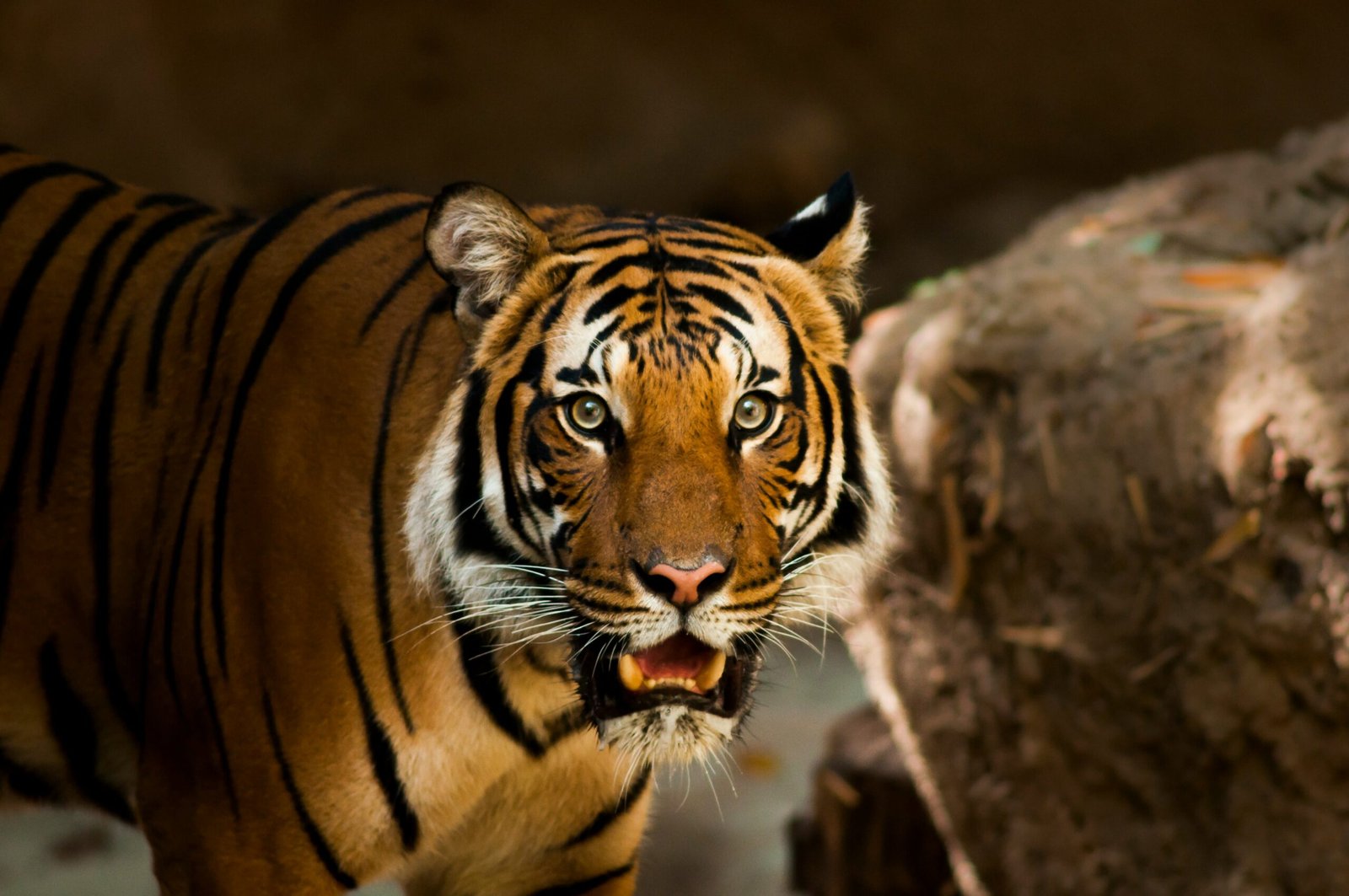
Tigers, the largest of the big cats, are majestic and powerful animals with a rich history and significant ecological impact. This step-by-step tutorial aims to provide you with a comprehensive understanding of these magnificent creatures.
Step 1: Habitat and Range
Tigers predominantly inhabit the dense forests of Asia. They are found in a range of environments, from the Siberian taiga to the mangrove swamps of the Sundarbans. Understanding their habitat is crucial for conservation efforts as it highlights the diverse ecosystems that tigers depend on.
Step 2: Physical Characteristics
Tigers are known for their distinctive orange coat with black stripes, though coloration can vary among subspecies. They possess muscular bodies, powerful limbs, and are equipped with retractable claws, making them formidable hunters. Their keen senses of sight and hearing further enhance their predatory skills.
Step 3: Behavior and Diet
Tigers are solitary animals, marking their territory to avoid conflicts with other tigers. They are primarily nocturnal hunters, preying on a variety of animals such as deer, wild boar, and even small elephants. Their role as apex predators is vital for maintaining the balance of their ecosystems.
Step 4: Conservation Efforts
With fewer than 4,000 tigers left in the wild, conservation efforts are more important than ever. Organizations are working tirelessly to combat poaching, habitat loss, and human-wildlife conflict. You can contribute by supporting these initiatives and spreading awareness about the plight of tigers.
Conclusion
Understanding tigers is the first step towards their preservation. By learning about their habitat, physical traits, behavior, and the challenges they face, we can better appreciate these incredible animals and contribute to their survival. Remember, every effort counts in ensuring that future generations can witness the splendor of tigers in the wild.